

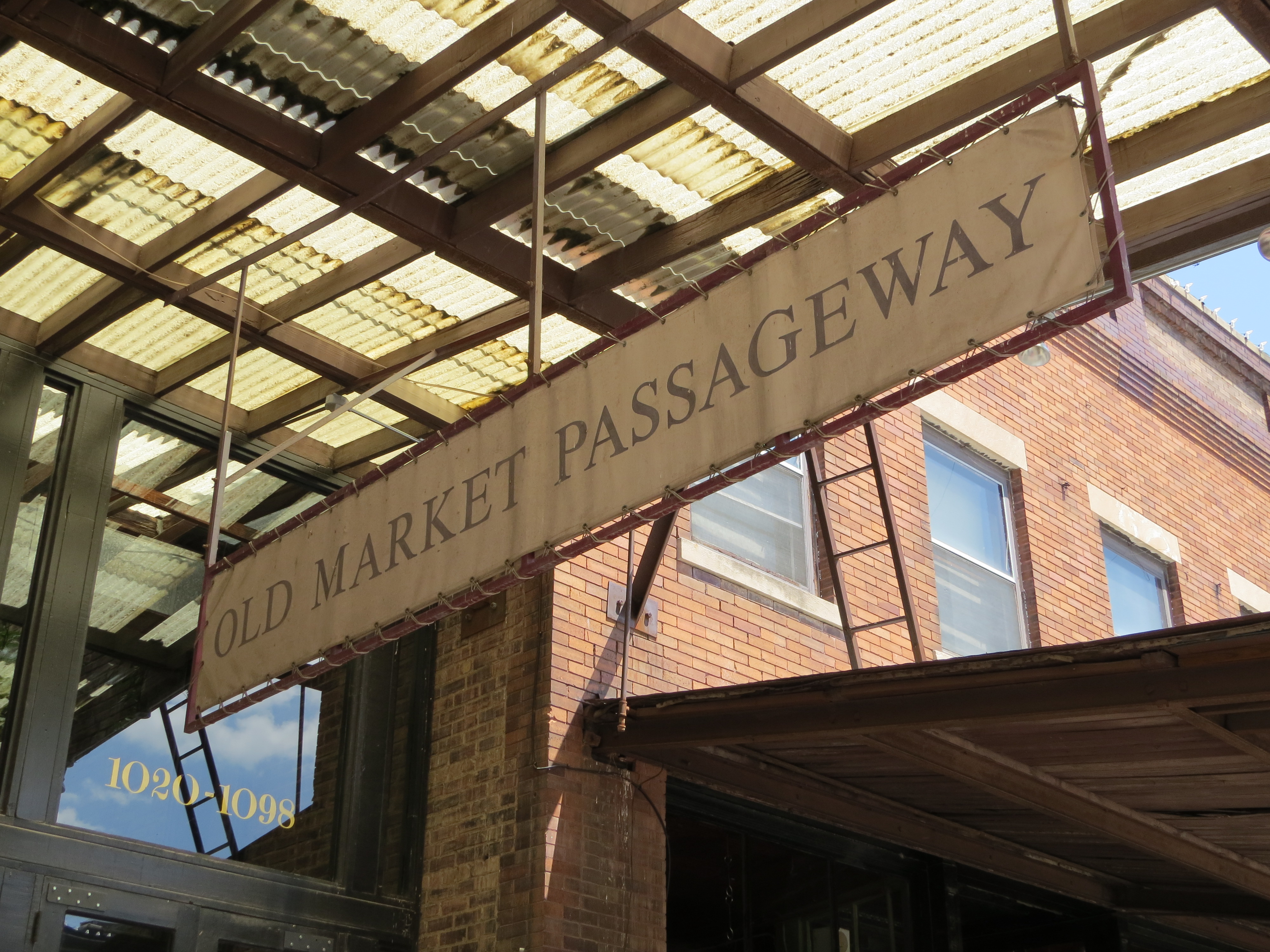
Tucked quietly between two historic buildings in Omaha’s Old Market lies a place that most visitors believe they understand… until they look twice.
At first glance, the Old Market Passageway appears to be a beautifully restored alley—brick-lined, softly lit, and framed by arches that feel almost theatrical in their symmetry. Its history is well documented: once a utilitarian corridor between the E. Meyer Building (1912) and the Poppleton Block (1886), it served as a storage passage where produce was kept cool in underground cellars. In 1977, under the vision of Nicholas Bonham-Carter, the alley was excavated and transformed into a charming pedestrian corridor, complete with storefronts, ironwork, and carefully curated greenery. But the official story—like most on this tour—is only the surface.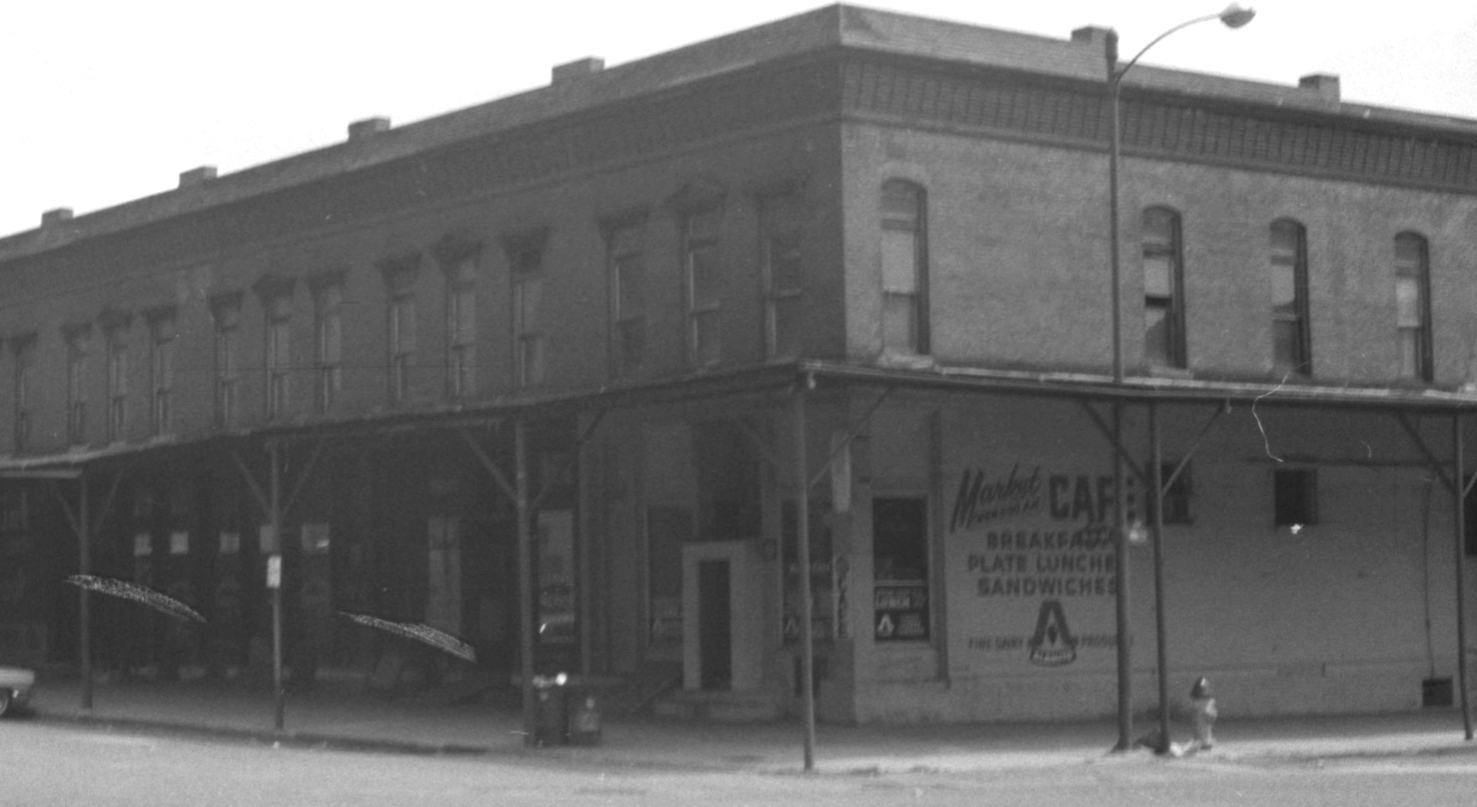
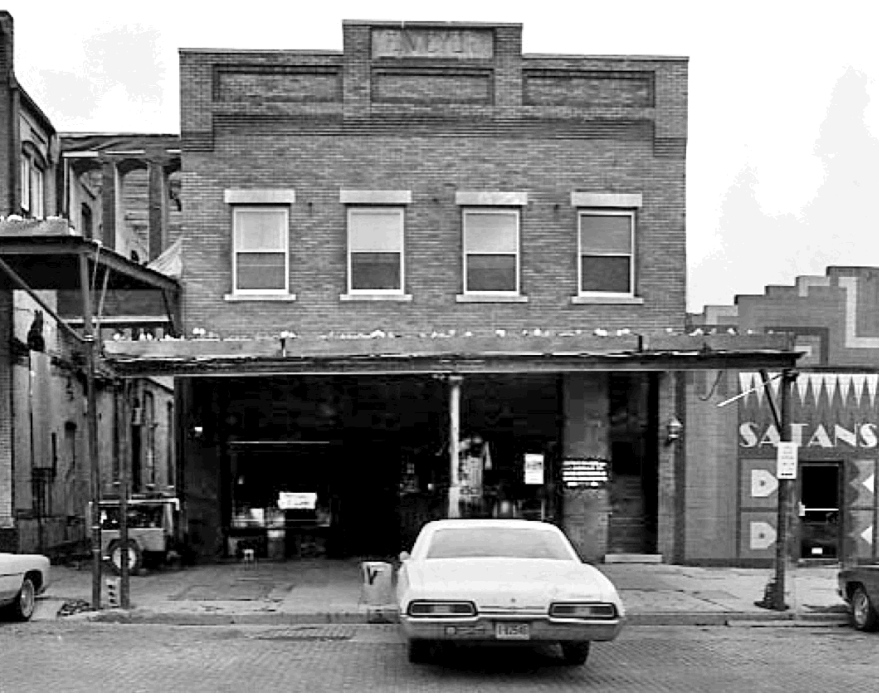
Before the excavation began, Nicholas Bonham-Carter is said to have experienced something… unusual. Not a dream, exactly. Not a thought he could claim as his own. A direction. He reportedly described it as a quiet certainty—an insistence that the ground between the buildings was not empty, but waiting. Compelled by this vision, he ordered the excavation to begin earlier and deeper than originally planned. What the workers found has never appeared in any official record. But accounts persist.
Beneath the packed earth and stone, they uncovered a natural spring, still flowing despite being buried for decades—perhaps centuries. Its waters were unnaturally clear, reflecting light even in shadow. Nearby stood a peculiar archway, older than either surrounding building, its stones worn smooth in a way that suggested not erosion, but touch—as though countless hands had passed across it over an immeasurable span of time. The archway was not preserved. At least… not publicly. Shortly after its discovery, construction shifted. The spring was redirected, contained, and eventually became what visitors now know as the Fountain of the Erinyes, installed in 1982 and created by Swiss artist Eva Aeppli. Three bronze figures—ancient goddesses of vengeance—pour water endlessly into the basin below. Most assume the sculpture came first. Few realize it was built around something older.Visitors often describe an odd sensation when standing before the Fountain of the Erinyes. A hesitation. A feeling of being… evaluated. The bronze faces themselves are unsettling enough—disembodied, stern, eternal—but some claim the water does not simply fall. They insist it moves with intention, shifting ever so slightly in rhythm with those who stand nearby.
And then there are the stories. Some swear that if you linger long enough—longer than is comfortable—you may notice something behind the falling water. Not a reflection, not quite a shadow, but the faint outline of a doorway set into a stone archway behind the fountain. Most never see it. Those who do rarely agree on what lies beyond, but nearly all report the same thing: They feel an overwhelming urge to leave.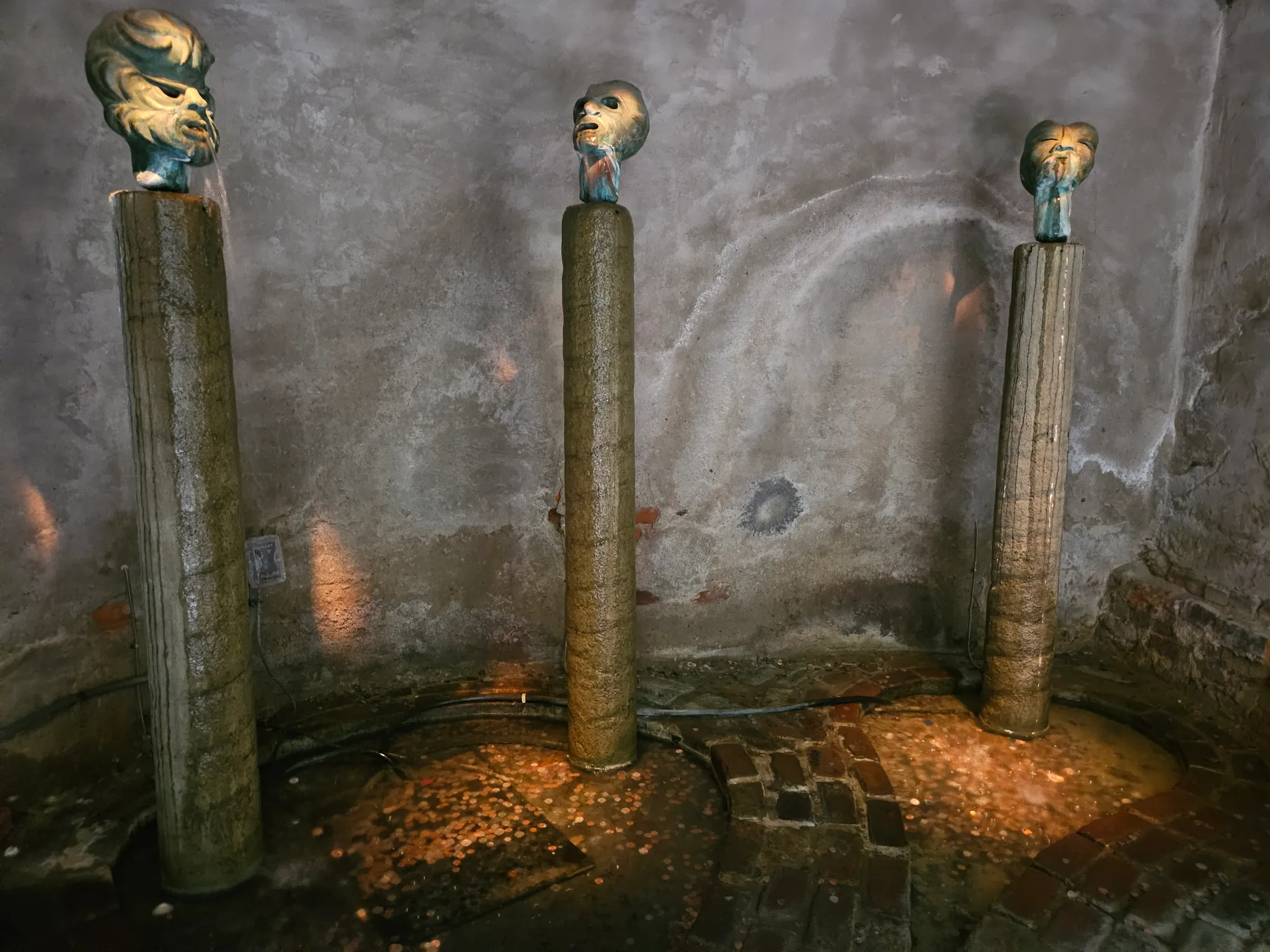
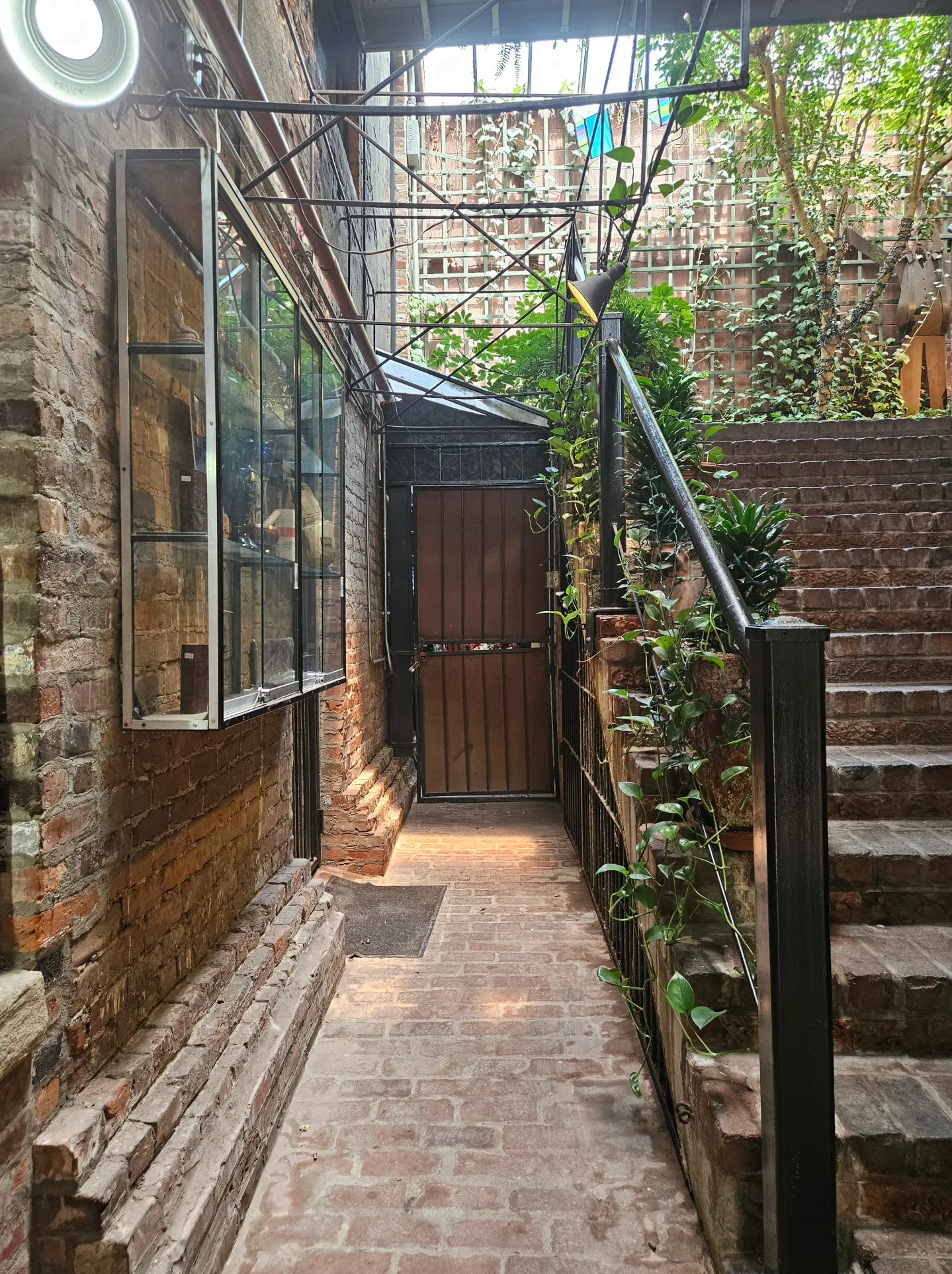
Further along the Passageway, past the arches and beneath the hanging greenery, there is said to be a storefront that does not behave as it should. To some, it is unmistakable—a narrow shop filled floor to ceiling with ancient tomes, scrolls, and peculiar artifacts. A giant rat, upright, composed, and quietly observant, can be seen perusing the shelves. It does not speak. It does not acknowledge those who see it. It simply studies texts that seem older than the buildings themselves.
More curious still, even those who have seen the bookstore often admit they did not enter. They intended to. They meant to. But something—subtle, almost polite—encouraged them to keep walking. Ask someone else, and they will tell you the space is empty. Vacant. Untouched. A storefront that has simply never found a tenant.Beyond the Passageway lies the Zodiac Sculpture Garden, opened in 1987—a quiet cloister filled with bronze representations of celestial bodies, constellations, and cosmic forms. Officially, it is a work of art. Unofficially, it is something else entirely. The arrangement of the statues is not fixed. Not always. There are whispers of a phrase—never written down, never spoken aloud in any recorded setting—that, when uttered in the garden, causes the statues to shift. Slowly. Silently. With no visible mechanism.
When this shift occurs, the sculptures no longer represent our solar system. They realign into something far older. A configuration that mirrors the trinary system of Alnitak. Those who have witnessed this alignment describe a strange clarity, as though the sky itself has momentarily changed—like remembering something you were never meant to know. The statues do not remain in this configuration for long, and afterward, no one can quite recall the phrase that caused it, but they all walk away with a similar feeling: that of great loss and a longing for home.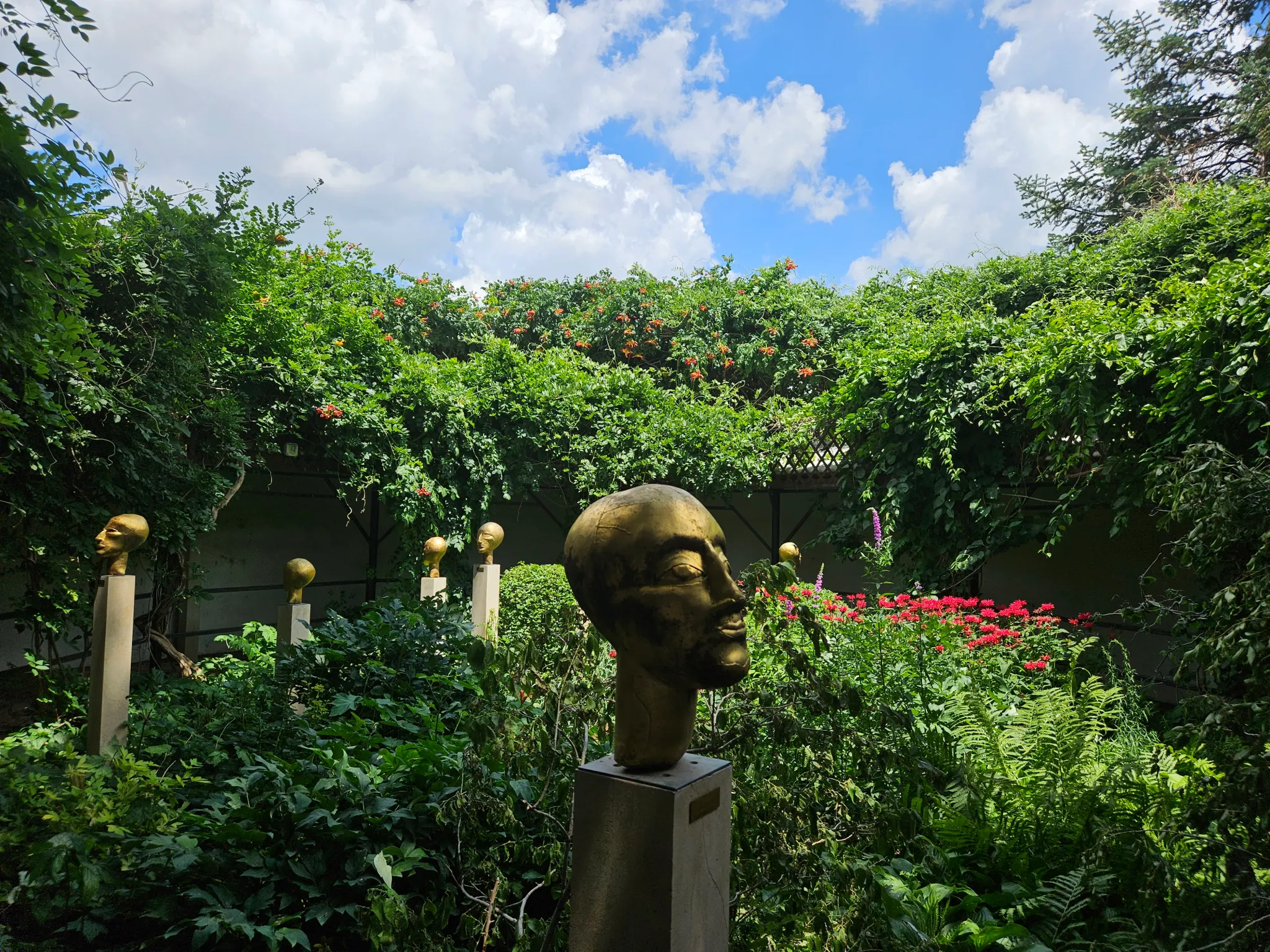

The Old Market Passageway is, by all accounts, a success story of urban revitalization—an inspired reuse of historical space that has become one of Omaha’s most photographed locations. But for those willing to look closer, it is something more. It is not a place of grand spectacle. It does not announce itself. It simply exists—quietly, patiently—between what is known and what is not.
As with many locations on the Magical History Tour, it would be unwise to assume you have seen everything the Passageway has to offer. There are always more doors. Some are merely hidden. Others are waiting. And a few of the secrets may already have noticed you.